
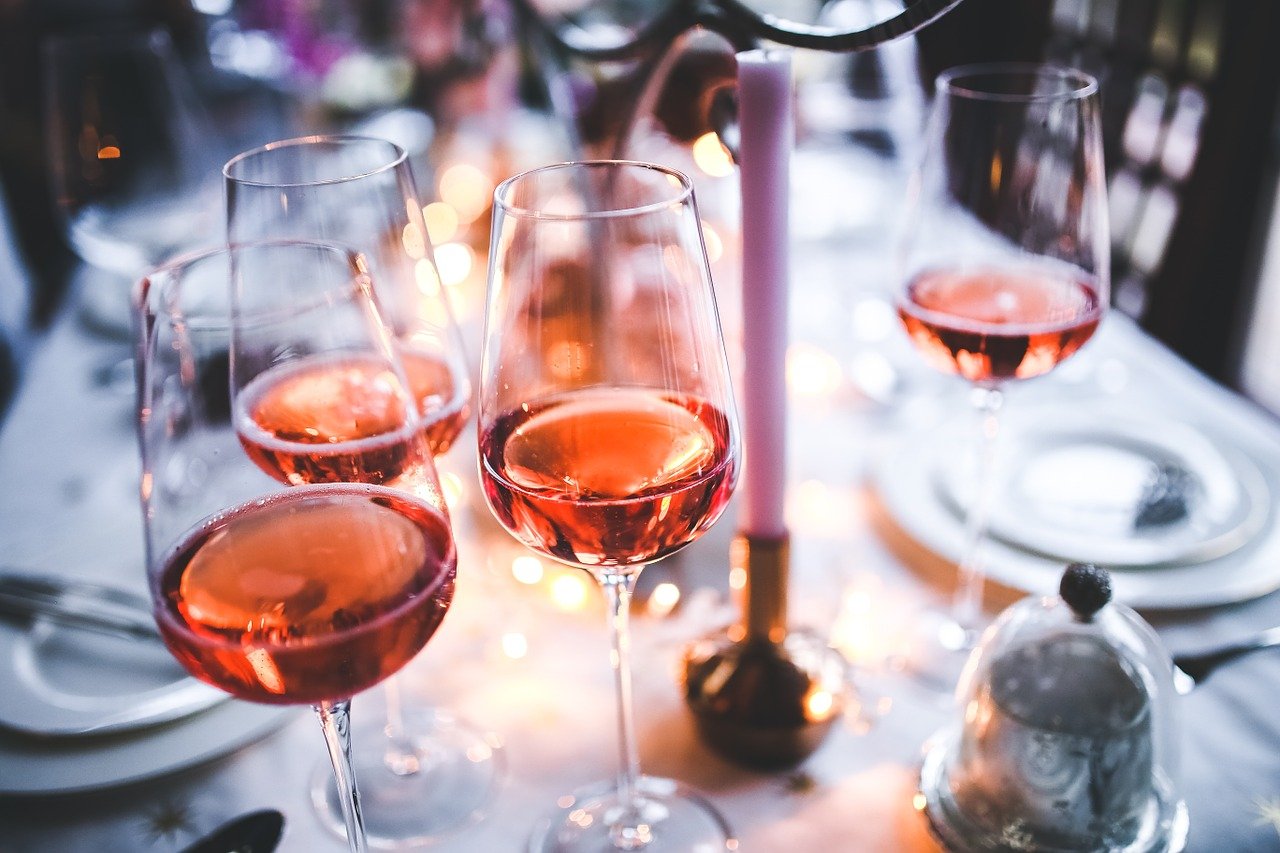
Los rosados representan el último grito del mundo enológico, así que no resulta extraño que su ingesta este creciendo inmensamente en todos los rincones del planeta. Sobre todo para los consumidores que buscan opciones más frescas y tenues. Pero, ¿cómo es exactamente un vino Rosado?
Hay quienes lo confunden con los vinos tintos pálidos que llevan la distinción de “rosado” en su nombre o clarete indistintamente. A simple vista parecen ser lo mismo, sin embargo, no lo son, porque ambos se elaboran de manera diferente.
Por fortuna, en este post te enseñaremos a distinguir un vino Rosado de los vinos tintos pálidos y otras versiones que pretende imitar esta bebida de moda.
Table of Contents
Descubre con lujos y detalles cómo es un vino Rosado
Para dilucidar la diferencia existente entre los vinos rosados y los tintos pálidos, debemos mencionar que estos últimos son el producto de la fermentación del mosto en contacto con los hollejos que es de donde se suelen adquirir los aromas y el color durante el proceso.
Ahora, un vino Rosado genuino también se prepara con variedades tintas para conseguir ese color pálido. De hecho existen dos métodos que tienden a aplicarse en aras de obtener ese tono rosa.
Por un lado, resalta el que es similar a la elaboración de vinos tintos, a excepción de que la fermentación no entra en contacto con los hollejos en el proceso, sino que se aíslan durante un tiempo. Y es que mientras más largo sea el periodo que está en contacto con los hollejos, más oscuro será el vino.
Por el otro, hay que destacar el método conocido como el sangrado, el cual es muy común en la elaboración de tintos para conseguir vinos con mayor concentración. En este caso, se retira parte del mosto cuando el depósito se llena completamente.
A través de esta técnica se logra un mosto carente de color, ya que no estuvo muchos días en contacto con los hollejos, pero el que queda en el depósito junto a las pieles adopta un tono más oscuro y su nivel de concentración es mayor.
Y si hablamos del vino clarete, el proceso es diferente. Hace un tiempo se hacía mediante la combinación de vino blanco y vino tinto, pero hoy día la cuestión ha cambiado y se elabora mezclando y macerando una variedad de uva blanca y tinta. ¿Cuál es la ecuación en este caso? Cuantas más uvas blancas tenga, más claro será el vino.
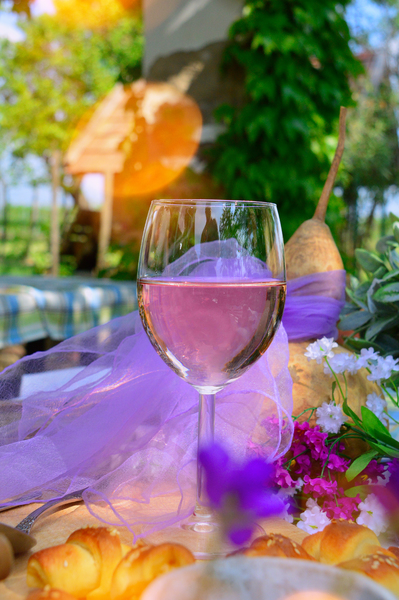
El vino rosado en España
En nuestro país también se elabora el vino Rosado y el clarete a lo largo y ancho del territorio nacional como el Ribera del Duero, uno de los más famosos y donde se elaboran rosados partiendo de tempranillo principalmente, incluyendo claretes mezclando hasta un un 50% de Albillo, como sucede con el vino Carmen by Comenge
Cigales también es muy reconocida por su producción de vino Rosado basada especialmente en tempranillo, albillo y verdejo, además se combinan los mostos en distintas cantidades para obtener matices y aromas diferentes.
Los colores intensos son muy comunes en esta región, sin embargo, en los últimos años se suelen elaborar una gran cantidad al estilo Provenzal de Francia.
En Navarra también es prestigiosa por sus grandes rosados que se elaboran con el método de sangrados usando la variedad Garnacha. Otra región donde se preparan vinos rosados con connotaciones muy interesantes, pero con la variedad Prieto Picudo, es en el territorio de León.
-
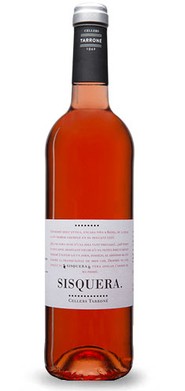 Pink sisquera4,25€
 -
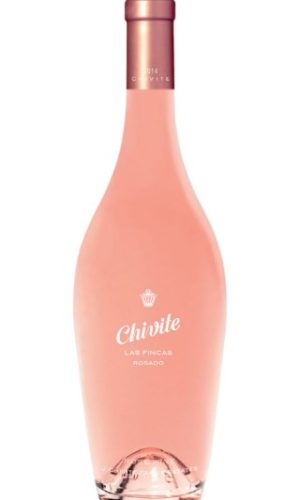 Chivite Las Fincas Rosado 202211,25€
 -
 Marques de Riscal Rosado7,80€
 -
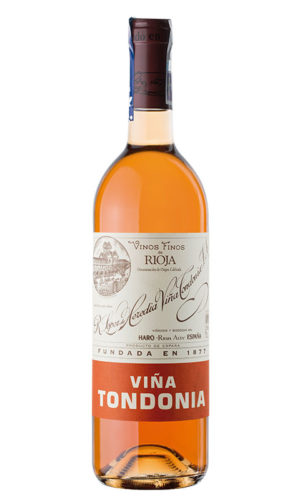 Viña Tondonia Rosé 2012145,00€
 -
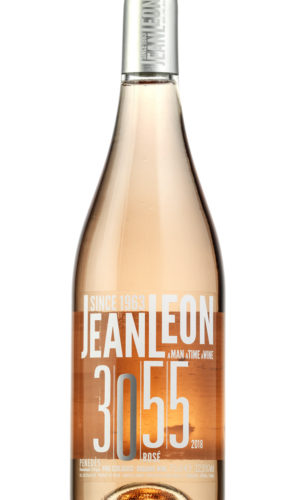 Jean Leon 3055 Rose12,90€
 -
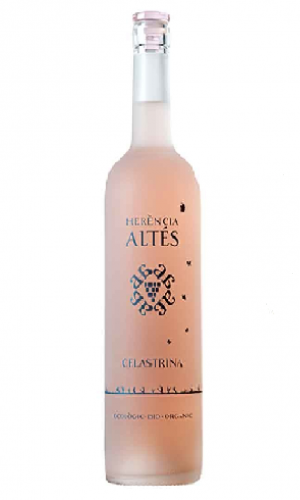 Inheritance Altés Celastrina 202214,30€
 -
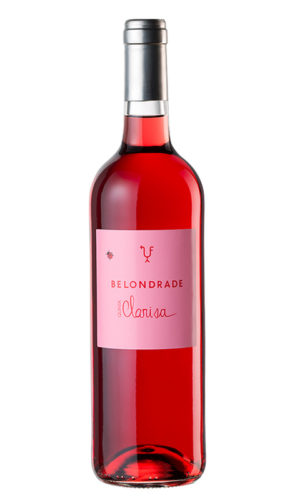 Quinta Clarisa 202214,55€
 -
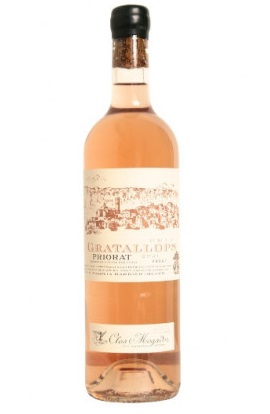 Clos Mogador rosé 202142,50€
Los rosados en otras partes del mundo
Es obvio, España no es el único país donde preparan grandes rosados o claretes muy famosos, existen otras regiones como la Provenza, donde usualmente usan coupage de distintas variedades como Cariñena, Cinsault, Garnacha, Monastrell y Syrah.
¿El resultado? Vinos bastante pálidos, con color piel de cebolla, pero que suelen ser de lo más tenues y ligeros, además de frescos y frutales.
Otra región que merece ser mencionada a la hora de hablar de la elaboración de vino Rosado es California, entidad en la que se preparan a base de White Zinfandel, normalmente, pálidos y afrutados, sin mucho alcohol y con un nivel de dulzura decente.
¿Cuáles son los rosados de moda?
Si bien el vino Rosado es el “boom” actual del mundo vinícola, no podemos pasar por alto que la moda también puede incidir negativamente en el sector.
The Pink más sonados actualmente son los que tienen un tono piel de cebolla, el cual se obtiene mediante técnicas para restarle color al vino.
Sin embargo, para los enólogos más ortodoxos de España esta es una acción que perjudica el carácter de esta bebida al tratar de imitar los vinos estilo Provenzal que son los que más buscan los consumidores actualmente.
Y no solo eso, consideran que es un irrespeto a nuestra identidad y acervo cultural. Pero, ¿saben qué? Tienen razón.
Conclusions
Hay una variedad de vino Rosado para todos los gustos y paladares, de hecho en nuestra tienda online reunimos una multitud vinos de este color que combinan muy bien con tus celebraciones o con una cena en pareja para romper con la rutina.
¿Quién dice que consumir una bebida de moda está mal? Lo que tiene más valor es que estos vinos son buenos acompañantes en esos momentos especiales que ameritan un brindis. ¡Salud!